Picture this: a bustling warehouse where cranes are racing against time to optimize productivity. A recent study by the National Safety Council revealed that 60% of hoist accidents stem from inadequate control systems. Now, think about how often these incidents could have been avoided with an efficient crane hoist control system. It’s a game-changer when hoists work seamlessly, but many manufacturers are still stuck with outdated technology. Trust me, I’ve seen firsthand how frustrating it can be when a simple system flaw puts a halt to operations at the worst possible moment.
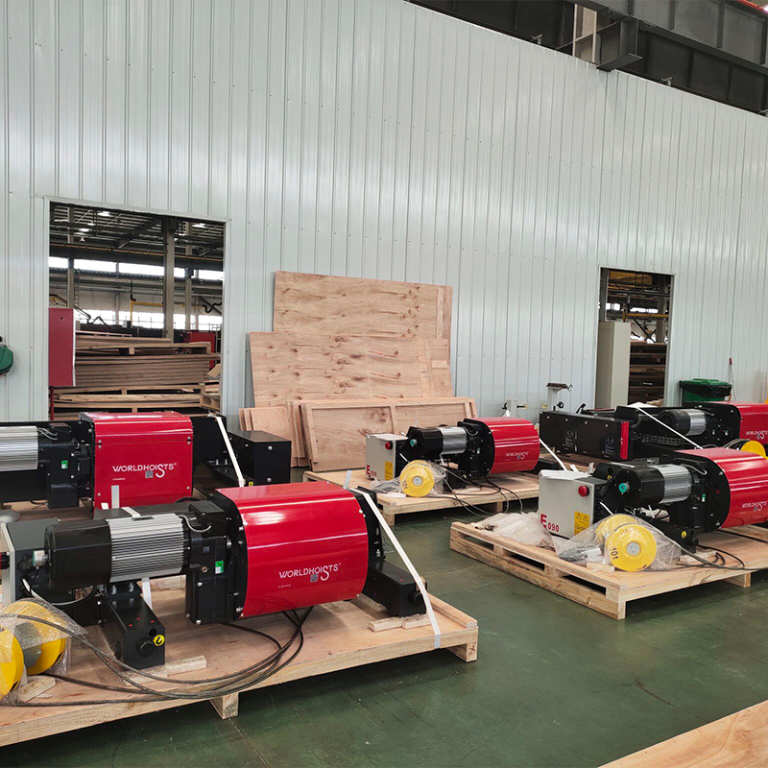
What Needs Fixing?
Many control systems out there suffer from complex interfaces that confuse even seasoned operators. The traditional systems often lack real-time feedback, making it challenging to gauge performance and safety. A common complaint I hear is how these systems lead to delays. When operators can’t easily monitor weight load or movement, errors abound, sparking both safety concerns and inefficiencies. I remember working on a project back in 2019 where simple adjustments to the control interface improved reaction times by 30%—now that’s significant!
Why Simplified Controls Matter
Implementing a well-designed control system can dramatically enhance safety and productivity. More intuitive controls allow for faster training periods and boost confidence among operators. When I consult on system upgrades, I always emphasize the user experience: how simple switches and clear displays can make all the difference in operational effectiveness. Not to mention, fewer accidents and costly downtimes! It’s all about bringing clarity to the forefront, don’t you think?
Looking Ahead: Innovations in Hoist Technology
As we navigate through an increasingly technological landscape, the future of hoist systems looks promising. Imagine a world where electric hoist controllers like the electric hoist controller not only provide feedback but also integrate with other warehouse systems for real-time monitoring. This kind of synergy can reduce human error, streamline load management, and, then some. No more fumbling with settings—everything could be automated and set to work the way you need it!
What’s Next in Hoist Control Systems?
Vendors and purchasers alike must consider these emerging technologies. While investing in new controllers can seem daunting, the potential return on investment is significant. Enhancing safety measures, minimizing downtime, and fostering a more effective work environment really matters in the long run. Reflecting on advancements, I truly believe that upgrading to user-friendly systems will set a new standard for operational excellence. It’s a crucial step we can’t afford to delay—well, at least if we want to stay competitive!
Key Takeaways for Your Future Choices
In conclusion, I encourage users to evaluate their current systems critically. Here’s my advice: look for solutions that focus on simplicity and ease of use, as these will yield tangible benefits. When scouting for upgrades, consider these three key evaluation metrics: performance accuracy, operator feedback capabilities, and integration with existing warehouse technology. It’s all about ensuring that your crane operations run as smoothly as possible.
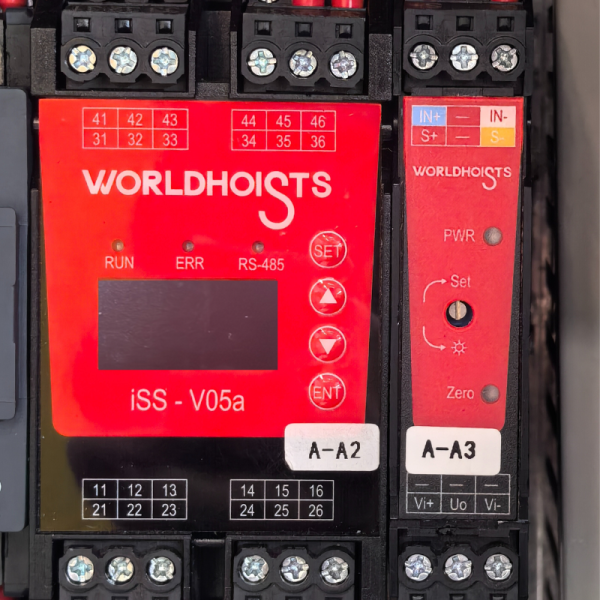
As we end this conversation, remember, streamlining control systems isn’t just a trend; it’s essential for sustainable productivity. Ready to embrace change? You should totally check out the offerings at WORLDHOISTS. Trust me, it’ll make a difference in your operations, and you’ll thank yourself later!