Introduction: When Geometry Meets Margin Pressure
Define the core issue first: packaging geometry is a cost driver, not a styling afterthought. In the premium segment, square perfume bottles often amplify both brand equity and operational risk. On a Tuesday close, your planner faces a slip in COGS because a mold change added two days to lead time—real and measurable. A recent category review showed up to 8–12% margin erosion tied to rework, freight premiums, and inventory buffers around bottles with tight angles. That is not a rounding error; it is a structural leak. Choosing a capable partner such as a square glass perfume bottles factory can change the baseline by tightening tolerance stack-up and stabilizing MOQ plans (and sanity). So ask yourself: is the current design-to-supply chain mapping robust enough to scale without scrap and rush fees?
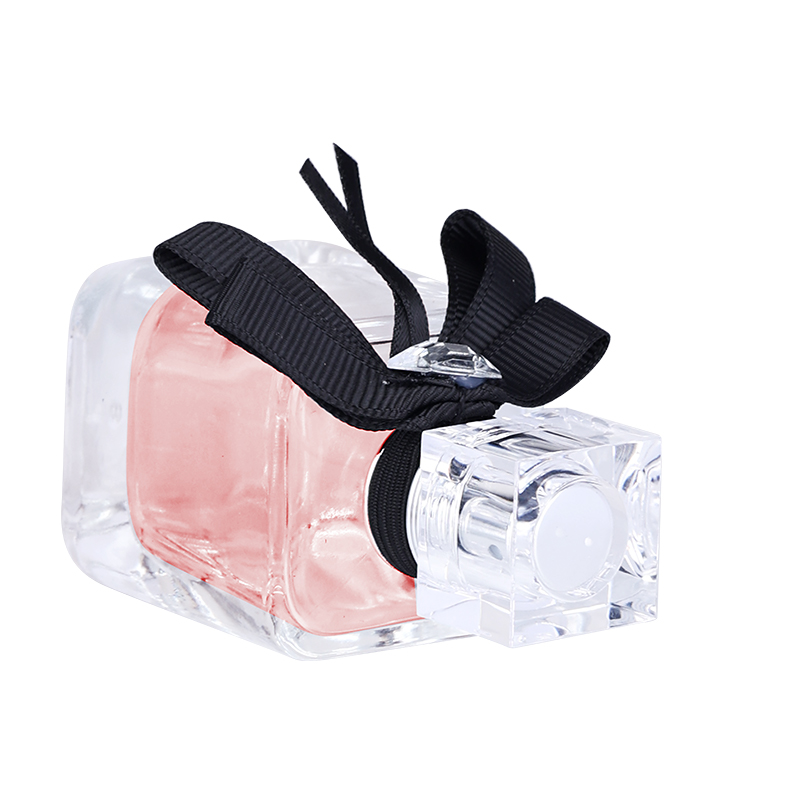
Here is the comparative lens: the same 100 ml volume in a round bottle may pass with looser flatness specs, while a square profile demands cleaner edges, consistent wall thickness, and exact neck finish. That means your risk sits in the corners. Procurement leaders feel it in cap fit variation and atomizer alignment, finance sees it in working capital spikes, and sales notices it when shelves show scuffs. The pattern is clear—funny how that works, right? Let’s unpack where the traditional plan falls short, and why sharper process control is the actual brand moat.
Hidden Pain Points That Don’t Show Up on the Quote
What’s the real blocker?
Directly: most overruns are not from glass cost, but from process friction. Square profiles magnify drift from the IS machine to the annealing lehr, and then again on the spray coating line. Micro-variance in panel flatness can distort labeling and foil stamping, which then forces rework. You do not see that in the unit price; you see it in late-stage QC and retail returns. Look, it’s simpler than you think: tighter in-process SPC plus a clean neck-finish spec often beats chasing cheaper sand. The right factory documents crimp specs for the atomizer, validates torque windows, and tests with your cap tooling before mass run. That alone can cut post-fill loss.
Another blind spot is logistics geometry. Square bottles cube out cartons fast, but they punish weak cartonization and pallet patterns. If your partner cannot simulate ship tests and drop tests with your exact dividers, breakage climbs while freight stays flat. One more layer: brand teams love deep glass color, yet heavy pigments raise rejection rates on the coating line unless flash time and bake cycles are tuned. A strong QC protocol will gate by cavity, not by lot, to isolate mold-specific defects early—saving you from expensive end-of-line surprises.

Comparative Outlook: New Principles That De-Risk the Square
What’s Next
The forward path is technical, but it pays back. New optical vision systems map each panel in-line, flagging warp and corner radius drift before hot-end issues snowball. Digital twins of mold cavities simulate heat flow, predicting where a square wall may thin as glass leaves the parison stage. Pair that with closed-loop lehr controls and you stabilize stress. The result is better label laydown and cleaner cap fit without chasing tolerance after the fact. When you source a china square perfume glass bottle at scale, ask for data: cavity-level defect ppm, neck-finish deviation in millimeters, and cycle time from mold to pack. Dashboards beat guesses—every time.
Real-world impact comes from integration, not heroics. Tie your atomizer supplier into first-article runs and validate crimp height with the glass team. Sync coating recipes with brand color targets and UV curing windows, then lock them under change control. Build packaging around freight reality: confirm pallet patterns, edge protectors, and overwrap spec before PO. You will notice fewer line stoppages and steadier shelf presentation—small tweaks, big signals. To choose well, use three metrics: 1) defect rate in ppm by cavity and finish; 2) end-to-end cycle time from mold release to cartonization; 3) neck-finish runout and flatness tolerance versus your cap spec. Score vendors on these, not on headline unit price, and your total landed cost falls—funny how that works, right?
In sum, sharp corners reward sharper systems. Compare on process control, not just catalogs. The factories that expose their data, run disciplined SPC, and collaborate across crimp, coating, and carton are the ones that keep your margin intact and your brand consistent. Knowledge beats noise, and consistency beats speed when the bottle is square. For continued guidance grounded in practice, see NAVI Packaging.