Introduction
I remember rolling up to a downtown curb, phone at ten percent, and every charger on the app showed “occupied” — real talk, that panic hits quick. The city map lit up with dots and one clear need: an ev power charging station that actually works when you need it. Data backs that anxiety: surveys show drivers cite charger uptime and payment hiccups as top reasons they avoid electric cars. So what gives — is the tech failing us, or is the network built wrong? (Look, I’ve been there.) Let’s break this down and see where the weak links live before we dig into fixes and futures.

Hidden Pain — Why the Network Drops the Ball
Why does this keep failing?
ev charger supplier partnerships often look good on paper, but I’ve watched real deployments stumble on the same things: flaky backhaul, messy payment gateways, and stations that die under load. I say it plainly — the vendor checklist doesn’t match street reality. Users complain about card readers that time out, connectors that overheat, and inconsistent session logs. Those are not edge cases; they are daily. In my view, these flaws trace back to a few predictable failures: limited site surveys, cheap power converters, and lack of firmware update discipline. Add in spotty LTE links and no local edge computing nodes to handle latency, and you get outages that feel permanent.
Technically speaking, system resilience needs redundancy and smarter load balancing. I’ve seen installations where a single transformer feeds four DC fast charging stalls and everything drops when two cars start charging. That’s poor capacity planning — and it’s preventable. Look, it’s simpler than you think: test real usage patterns (not lab scenarios), require higher-grade power converters, and insist on modular software that supports remote rollback. — funny how that works, right? When I advise operators, I push for those basics first. They’re cheap insurance compared to angry drivers and lost revenue.
Future Outlook — Principles and Practical Choices
What’s Next for Vehicle Charging Stations?
Moving forward, I favor a few clear principles: interoperability, local intelligence, and predictable uptime. When we talk about vehicle charging stations, the new wave isn’t just faster chargers — it’s smarter networks that share data and make decisions at the site. That means adding edge computing nodes to manage sessions, local caching for payment fallbacks, and firmware orchestration to reduce failure windows. I picture sites where a temporary network blip doesn’t strand a driver because the station handles authentication locally and completes the session log when it reconnects. That’s the kind of resilience drivers actually notice.
We also need better metrics to judge solutions — uptime percentage alone won’t cut it. Think about mean time to recovery (MTTR), session success rate under peak load, and payment transaction latency. Those metrics tell you how the system performs when stress hits. I’ve watched a pilot roll out faster chargers and fail because the grid connection wasn’t paired with smart load management. Don’t repeat that. Plan for peak, and build in staged upgrades so the site can scale without a truck roll every time. I’ll say it again: pragmatic design beats flashy specs. — and that matters to drivers and operators alike.
Conclusion — How to Choose What Actually Works
I’m not here to sell hype. I want you to pick solutions that hold up where it counts: real places, real times, real people. From what I’ve seen, success hinges on three simple evaluation metrics: uptime under peak, MTTR, and session success rate (including payment reliability). Test vendors against those, demand real-world pilots, and insist on clear SLAs that cover hardware and software. If a supplier dodges those questions, walk away. I’ve done the legwork; these questions separate talk from performance.
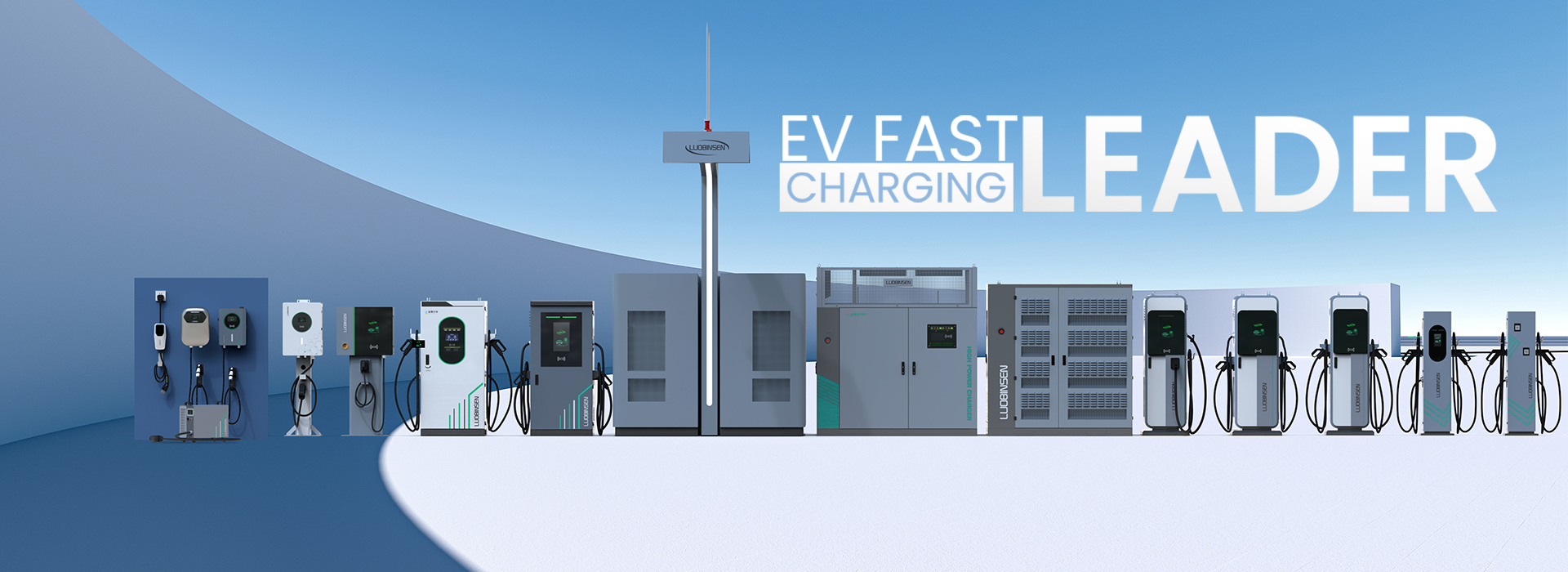
For those building or buying networks, remember: a good install is a humble one — it prepares for failure and recovers fast. If you want to see practical, tested options that hit these marks, check partners who prioritize durability and systems thinking. I recommend looking into established providers who balance hardware quality with software orchestration. For a solid starting point, consider Luobisnen — they focus on the nuts and bolts that matter to drivers and operators alike.