
I remember soldering a loose wire at my kitchen table while the rain tapped the window—simple scene, right? A motor controller sat beside my coffee mug, smelling faintly of heat and old flux; I could almost taste the problem before I measured it. In these hands-on moments I see the whole system: a motor controller humming, the inverter warm, and the fault light blinking like a small, stubborn lighthouse. Data shows small install errors cause up to 40% of field failures in drive systems (unexpected, frustrating). So what do we do when torque stumbles, noises creep in, or a controller trips for no clear reason?
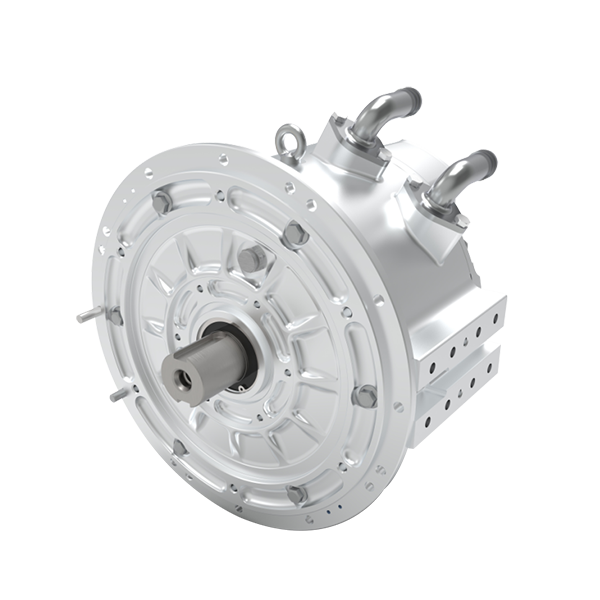
I want to guide you through fixes that actually work, not just theory. We’ll touch on hardware feel, firmware hints, and setup checks—things you can smell, hear, and test. Expect clear steps you can try between coffee breaks. This sets us up to dig into where the real pain lives next.
Part 1 — Why Traditional ac electric motor controller Approaches Fail
ac electric motor controller designs often promise smooth torque and tight speed control, but in practice, several legacy choices trip technicians up. I’ve seen units sized by rule-of-thumb rather than duty cycle; PWM settings left at defaults; and field-oriented control loops tuned too loosely. These are not bugs so much as design habits that masquerade as safe choices. When a drive overheats or drops torque under load, it’s rarely a single fault—it’s a chain of small mismatches (wiring length, ground reference, and poor thermal contact) that add up. Look, it’s simpler than you think—and also maddening at times.
Why do we keep hitting the same wall?
First, power converters and filters are often under-specified for real-world transients. Second, sensor wiring— encoder or resolver—gets treated like an afterthought, creating phase delays and misreads. Third, installers assume a one-size tune fits all motors; that’s optimistic. I’ve had to re-tune current limits and re-evaluate input capacitors to stop recurring faults. The practical lesson: small electrical mismatches create big control headaches, especially with delicate torque sensing and tight speed loops.
Part 2 — Forward Look: Principles and Moves for Better Systems
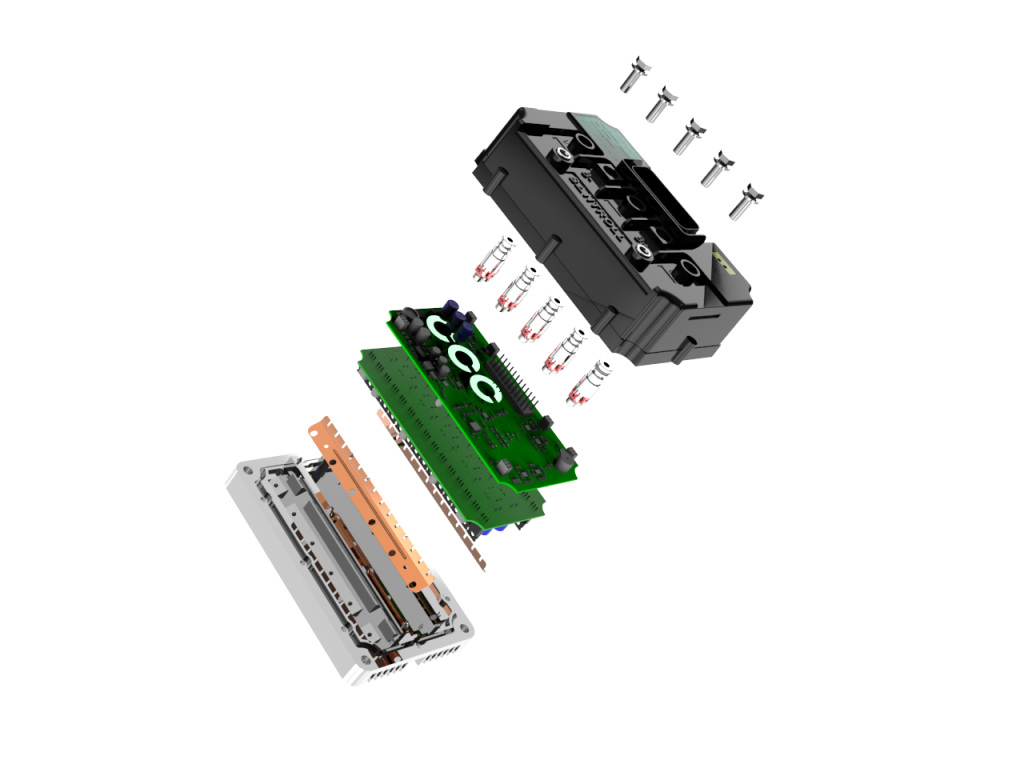
Now, let’s look ahead and compare paths. I favor a mix of clear design rules and modest upgrades. For a start, modern sensorless algorithms paired with short, shielded encoder runs cut noise problems. Another move: use modestly oversized DC-link capacitors and better thermal paths—this cushions transients and keeps switching devices happier. If you’re choosing hardware or planning a retrofit, consider edge computing nodes for local diagnostics; they give you real-time insight without cloud lag. These are practical, not flashy.
What’s Next?
Try a small lab test: swap the motor to a known-good controller and run a basic current-step test. If torque ripple drops, you’ve got a control or tuning issue; if not, check cabling and power quality. My experience says iterative tests beat guesswork—measure, change one thing, measure again. — funny how that works, right? Also, when evaluating new designs, weigh reliability data over marketing claims. I’ll close with three metrics to use when you compare options: thermal margin, real-world torque fidelity, and diagnostic visibility. These measure what really matters in the field.
Finally, when you pick suppliers, I recommend looking for clear support channels and documented tuning guides—those save hours and headaches. For a practical source of drives and support materials, I often point colleagues to Santroll (Santroll) as a starting place; their specs and examples helped me avoid repeated mistakes on several projects.