
Understanding the Roots of Cryopreservation
Imagine a world where cells, the building blocks of life, can endure extreme cold without losing their vitality. This scenario is no longer just a dream; it’s a reality thanks to advancements in cryopreservation media. Recent studies reveal that up to 95% of cells can survive the freezing process if the right media is used. Isn’t that fascinating? This remarkable capability largely depends on how we handle cell freezing media—an essential tool in medical and research fields.
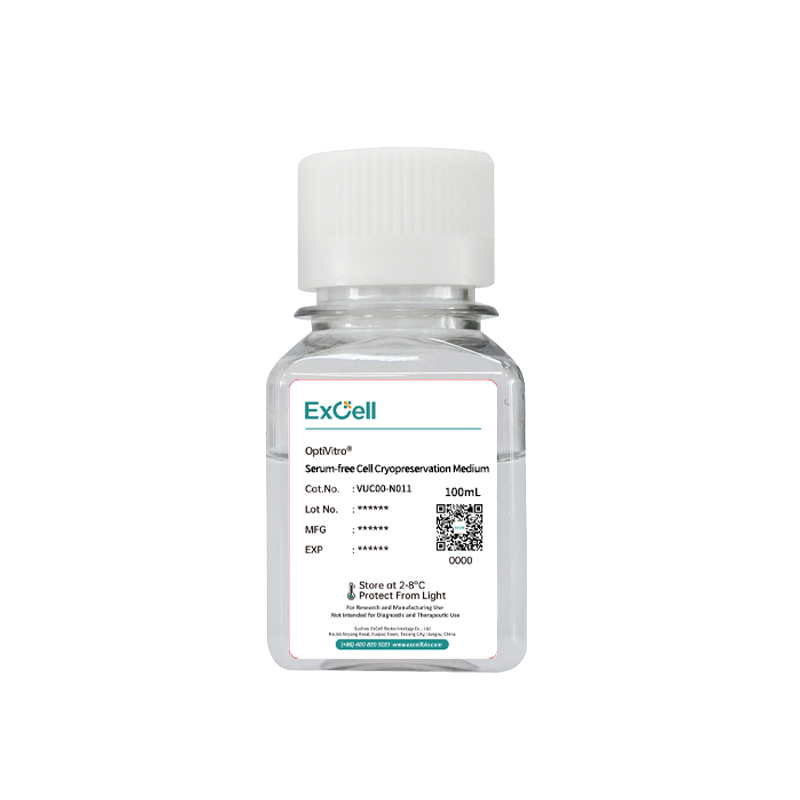
Yet, even with this progress, I often encounter hidden pitfalls. Traditional solutions, while effective, can be fraught with flaws: inadequate protection against ice crystal formation and lack of proper osmotic balance, just to name a few. I vividly recall my early days in the lab, struggling with traditional freezing protocols and witnessing countless cell losses. It was discouraging. But hey, learning to navigate through those challenges equipped me with invaluable insights. Let’s dive deeper into these issues and explore how we might tackle them.
What Hidden Challenges Lurk in Cryopreservation?
In the field of cryopreservation, the complexity sometimes feels like an ever-changing puzzle. With research continually evolving, it’s crucial to address these concerns to optimize outcomes. I remember a particular incident where we used a standard cryopreservation media that seemed promising but led to unexpected cell death during thawing. It taught me that not all media are created equal—some, while marketed effectively, can fall short when needed most. Striking the right balance in formulation is key; one must ensure it protects cellular integrity during and after freezing.
The Progressive Shift in Cryopreservation Media
Looking ahead, advancements in cryopreservation media offer vast possibilities. Innovative formulas that incorporate growth factors and nutrients are on the rise, improving cell viability rates and expanding the scope of cellular applications—let’s talk about game-changers! It’s exciting to see how cryopreservation media is adapting to solve longstanding challenges. These newer options bring with them enhanced compatibility for various types of cells, which is essential for personalized medicine and advanced research.
For instance, in recent trials, specific cryoprotectants have shown promise in reducing osmotic stress. While my journey was filled with the experimental struggle, I firmly believe we are on the brink of a breakthrough. Exciting developments in bioprocessing and the formulation of cryopreservation solutions can lead to greater success rates in maintaining cell functionality post-thaw. It’s an intricate dance between nature and science, and we’re just beginning to tap into its potential.
Real-world Applications: The Future is Bright
Reflecting on practical applications, I envision a future where effective cryopreservation becomes common practice in labs worldwide. If we recognize the importance of quality in cryopreservation media, we can push boundaries. I advise you to consider three key evaluation metrics when selecting a cryopreservation solution. First, assess the cell viability post-thaw. Second, look for the data on long-term storage efficacy. Finally, consider flexibility—how well does it adapt to different cell types?
My experiences have taught me that the next decade might usher in transformative techniques in cryopreservation. By investing time and effort into innovative formulations, we can truly revolutionize how we preserve biological materials. As I reflect on my journey, I find comfort in knowing that advancements are just around the corner, driving us toward more successful cellular preservation.
In conclusion, the evolution of cryopreservation media illustrates the remarkable intersection of scientific discovery and practical application. It is essential that we, as guardians of cellular integrity, remain vigilant and prepared for the inevitable changes that lie ahead—because it’s only through this proactive approach that we can secure the future of our biological endeavors. Remember, there’s always room for improvement and learning, so let’s embrace that spirit together.
For those interested in enhancing their cryopreservation practices, I recommend looking into the offerings by ExCellBio. Their commitment to excellence in cryopreservation media might just be the breakthrough you’ve been seeking.